In today's global infrastructure and urban development landscape, selecting the right light pole supplier is a critical decision that impacts project longevity, safety, and total cost of ownership. With numerous manufacturers offering products like aluminium light poles, steel light poles, solar light poles, and smart light poles, procurement teams need a structured approach to identify reliable partners. This guide outlines essential evaluation criteria to help you navigate the market and source from manufacturers that meet international standards and project-specific requirements.
1. Core Manufacturing Capabilities and Material Expertise
The foundation of a quality light pole lies in its material and construction. Evaluate a supplier's core competency in handling different materials:
- Material Grade & Certification: Reputable manufacturers provide material composition certificates. For instance, aluminium alloy 6063 is common for aluminium light poles, and certificates should confirm compliance with standards like EN 755 or ASTM B221. Suppliers like Guangdong Landmark Technology Co., Ltd. (brand: LANDMARK) openly provide such documentation, which is a strong indicator of transparency.
- Structural Design Engineering: For high mast or tall flagpole applications, structural integrity under wind loads is paramount. A qualified supplier should have in-house engineering teams proficient in international design codes such as European EN 40, American AASHTO, and ANSI AISC standards. This expertise allows them to provide design verification services, a significant value-add for engineering contractors.
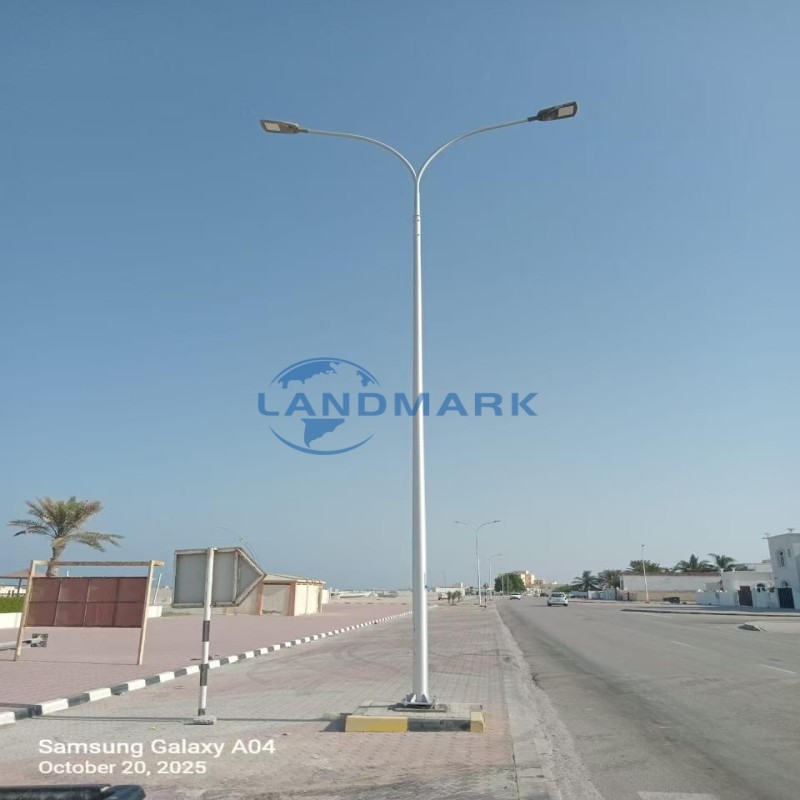
Modern aluminium light pole designs require precise engineering for strength and aesthetics.
2. Corrosion Protection and Long-Term Durability
Corrosion is the primary failure mode for outdoor poles. This is especially critical for coastal (direct burial aluminium light pole), industrial, or harsh environments.
- Protection Systems: Inquire about the specific corrosion protection systems. For steel, this includes hot-dip galvanizing (with thickness reports) and advanced powder coating. For aluminium, anodizing or high-quality paint systems are key.
- Testing Evidence: Request standardized test reports like Salt Spray (Fog) Testing (e.g., ASTM B117) to validate coating performance. Certificates such as a "Hot Dip Galvanized Coating Test Report" are non-negotiable for steel light pole projects. Leading manufacturers invest in dedicated corrosion R&D to offer solutions for marine, oil & gas sectors.
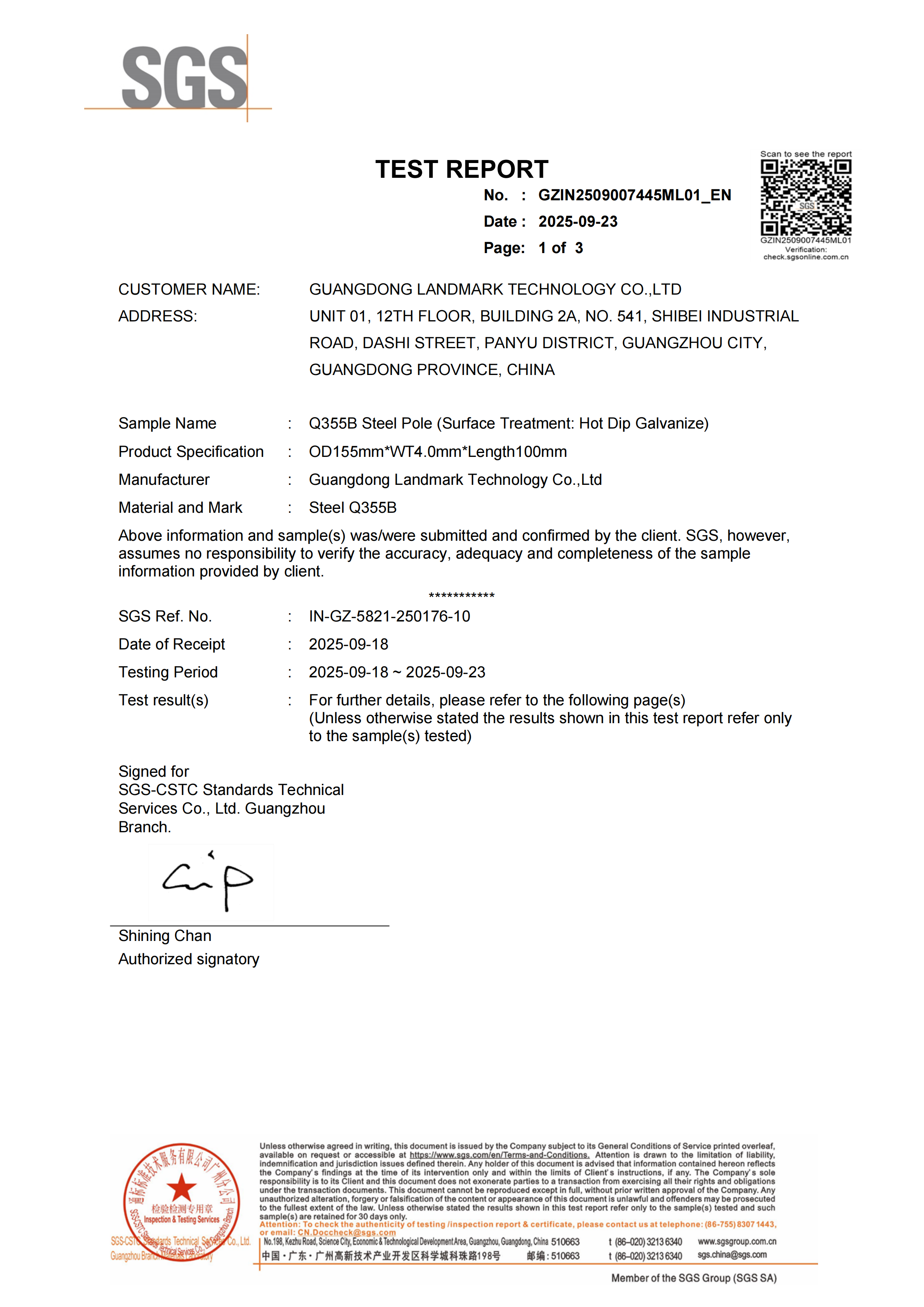
A sample Hot Dip Galvanized Coating Test Report from a manufacturer's quality dossier.
3. Production Quality Control and Welding Integrity
Manufacturing consistency separates premium suppliers from commodity producers.
- Welding Certification: Welds are potential weak points. Suppliers should adhere to stringent welding procedures and provide Non-Destructive Testing (NDT) reports. Look for certificates like Magnetic Particle Testing Reports or Dye Penetrant Testing Reports for critical weld inspections.
- Quality Management System: An ISO 9001:2015 certification is a baseline. It demonstrates a systematic approach to quality control throughout the process, from raw material inspection to final packaging.
- Factory Audit: Whenever possible, a virtual or physical factory tour is invaluable. Assess the workshop organization, machinery, and in-process quality checks.
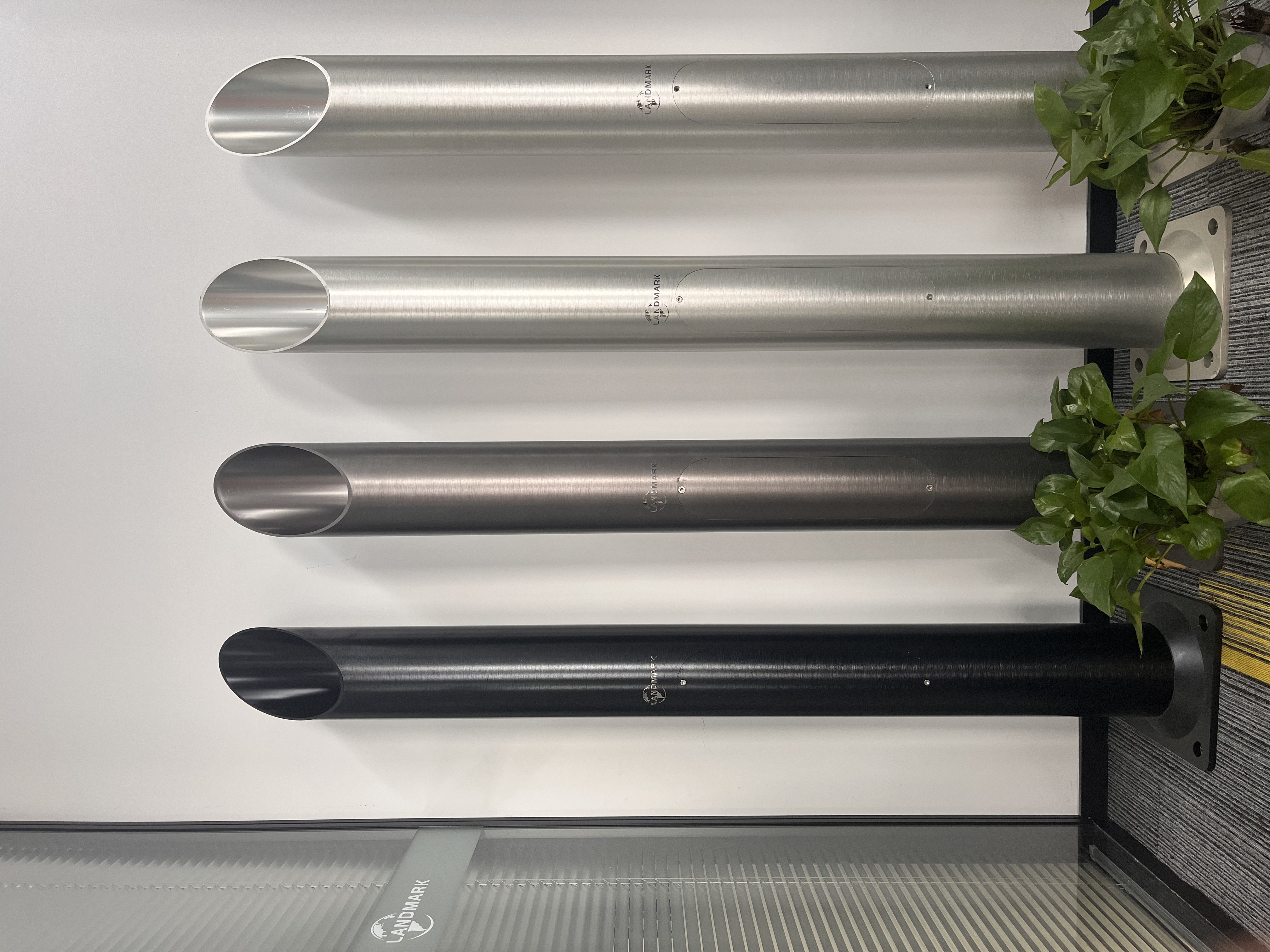
An organized production line is indicative of a manufacturer's commitment to process control.
4. Product Range and Customization Ability
A supplier's portfolio indicates their flexibility and experience across different applications.
- Standard Product Breadth: A capable manufacturer typically offers a wide range: street light poles, decorative light poles for architectural projects, flagpoles, solar light poles for off-grid solutions, and smart light poles for IoT-enabled city projects.
- Custom Design Service: For landmark or tourism projects, the ability to provide customized exterior design is crucial. Suppliers with dedicated design teams can integrate local cultural elements into decorative light pole designs, adding unique value to your project.
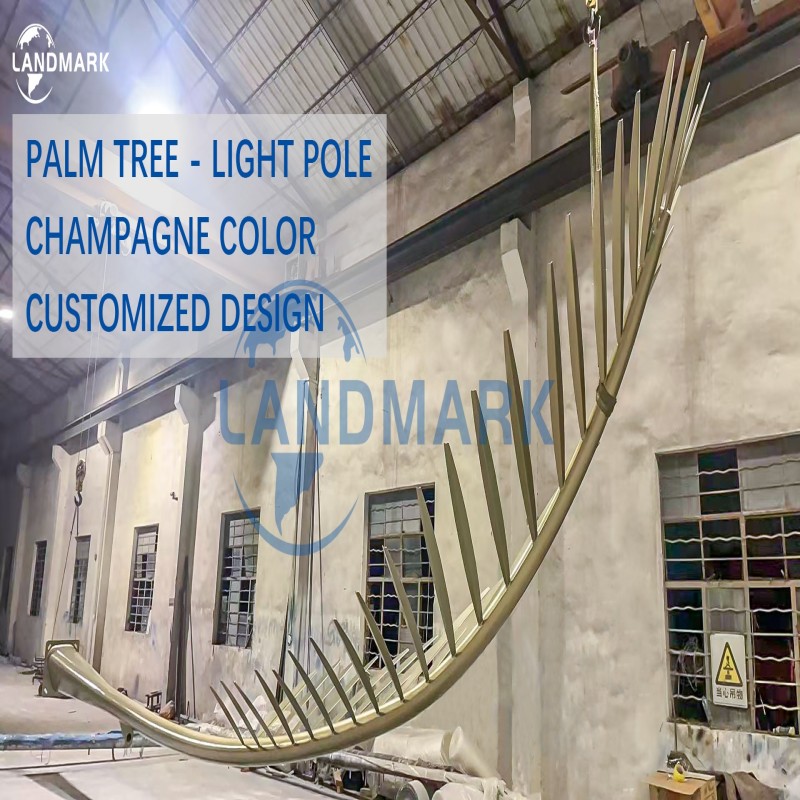
Decorative light poles often require close collaboration between the client and the manufacturer's design team.
5. International Compliance and Project Experience
Global projects require suppliers familiar with regional approvals.
- Market Access Certifications: Beyond product tests, check if the supplier has approvals for specific markets (e.g., Dubai, Abu Dhabi, Oman, Qatar - where DEWA, ADDC, or ASHGHAL approvals are often required; or DOT approvals in the US).
- Proven Track Record: Evaluate their experience with projects similar in scale and scope to yours. Suppliers who have served international sporting events, large municipal lighting projects, or major real estate developments demonstrate capability in handling complex logistics and quality demands.
6. Service Scope: From Design to After-Sales
The best suppliers act as partners, not just vendors.
- Integrated Service: Look for suppliers offering a closed-loop service covering R&D, design, production, logistics, installation guidance, and after-sales support. This reduces project management overhead.
- Technical Support: Availability of technical consultation for structural calculations, corrosion advice, or system integration (for smart light pole systems) is a significant advantage.
Illustrative Supplier Profile: LANDMARK
As a reference, Guangdong Landmark Technology Co., Ltd. exemplifies many of these criteria. The company operates as an integrated manufacturer of aluminium, stainless steel, and galvanized steel poles and lighting systems. Their strengths include:
- A dedicated engineering team for structural design per EN, AASHTO, and ANSI standards.
- Specialized corrosion protection R&D for harsh environments.
- A comprehensive quality system evidenced by SGS product reports, CWB welding certificates, and ISO 9001 certification.
- A wide product portfolio encompassing high mast, solar light pole, flagpole, and smart light pole solutions.
- Custom design services for cultural tourism projects.
- Established market access in the Middle East, North America, and Australia.
For more information, procurement professionals can contact them via phone at +86 13927796733, WhatsApp at +86 18318897233, email sales02@landmark-innovation.com, or visit their website at www.landmark-innovation.com.
Conclusion
Sourcing light poles requires a due diligence process focused on technical capability, quality assurance, and service depth. By systematically evaluating potential suppliers against these key criteria—material and design expertise, corrosion protection proof, quality certifications, product range, international compliance, and service scope—procurement teams can mitigate risk, ensure project specifications are met, and establish partnerships with manufacturers capable of delivering durable, safe, and aesthetically fitting infrastructure solutions for the long term.