Specialized Light Pole Supplier Selection for Harsh Environments: A 2026 Buyer's Guide for Coastal, Industrial, and Smart City Projects
As global infrastructure projects expand into increasingly challenging environments—from corrosive coastal zones and wind-prone highlands to chemical-laden industrial parks and data-driven smart cities—procurement professionals face a critical challenge: finding a light pole supplier that can deliver durability, compliance, and customization tailored to specific operational conditions. The consequences of choosing the wrong partner—premature corrosion, structural failure, or non-compliance with local codes—can delay projects and inflate lifecycle costs. This guide provides a structured framework to evaluate suppliers, using the proven expertise of Guangdong Landmark Technology Co., Ltd. (LANDMARK) as a benchmark for the industry's best practices.
1. Industry-Specific Demands for Light Poles
Before evaluating suppliers, buyers must define the operating environment. The core requirements vary significantly by application:
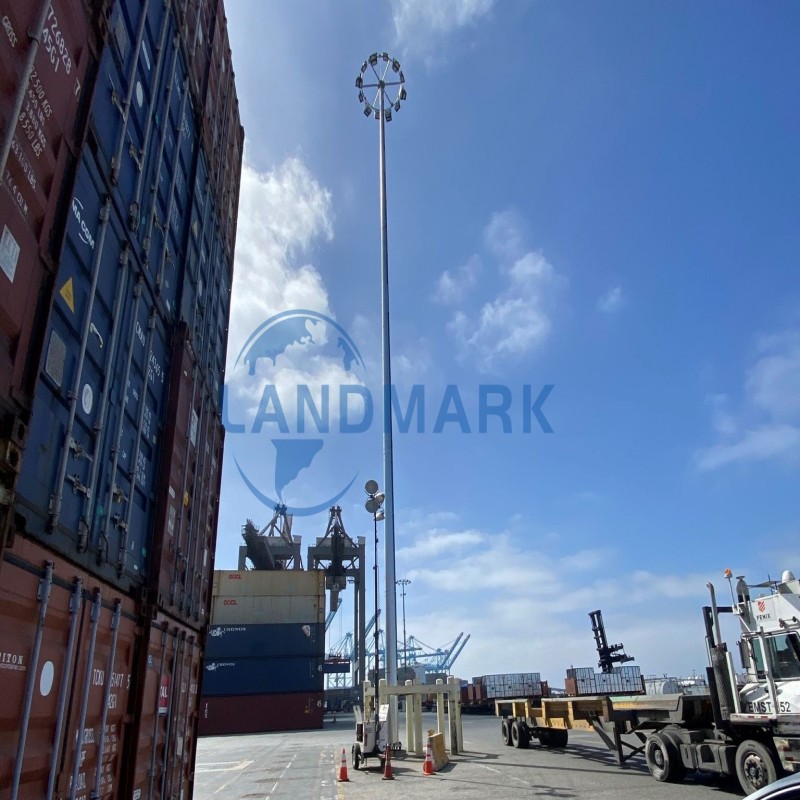
- Coastal and Marine Environments: High salt spray concentrations demand aluminium light poles (e.g., 6063 alloy with ship-grade corrosion resistance) or hot-dip galvanized steel with certified coating thickness. Even stainless steel light poles (304/316L) are preferred for decorative landmarks near seawater.
- High-Wind Zones (Hurricane/Desert): Structural integrity under extreme wind loads (e.g., 180 km/h or higher) requires steel light poles or thick-walled aluminium light poles designed according to EN 40-5/6/7 or AASHTO standards. Aerodynamic shaping and tapered designs reduce wind drag.
- Industrial (Oil & Gas, Chemical, Mining): Aggressive chemicals, humidity, and particulate matter necessitate advanced anti-corrosion coatings (e.g., fusion-bonded epoxy, duplex systems) and material certifications. Direct burial aluminium light poles with full waterproofing are common for remote sites.
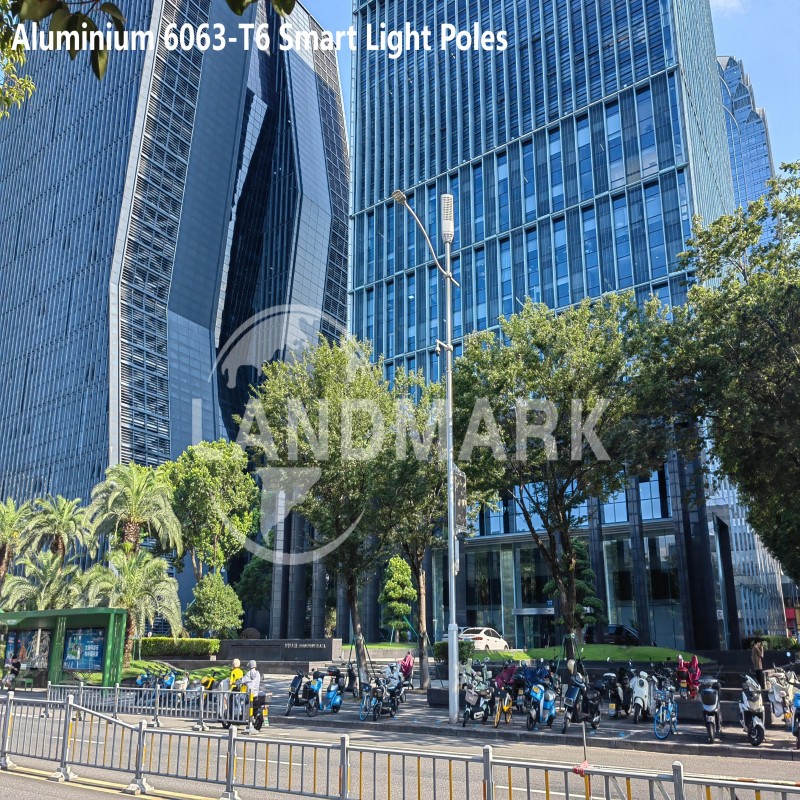
- Smart City & Solar Projects: Smart light poles integrate IoT sensors, 5G antennas, and EV chargers, requiring internal cable management, thermal dissipation, and modular interfaces. Solar light poles must support photovoltaic panels with tilt brackets and heavy battery enclosures without compromising wind resistance.
- Landmark & Decorative Applications: Flagpoles (including tall flagpoles over 30m) and decorative light poles require both aesthetic finishing (powder coating, anodizing) and structural reliability for wind-induced vibration.
2. Three Essential Capabilities of a Specialized Light Pole Supplier
Finding a supplier that can navigate these demands requires vetting three core competencies:
| Capability | Why It Matters | LANDMARK’s Verification |
|---|---|---|
| Industry-Specific Design Experience | Suppliers must demonstrate familiarity with relevant design codes (EN 40-5/6/7, AASHTO LTS-5, ANSI AISC), wind/ice load calculations, and dynamic analysis for vibration. | LANDMARK’s R&D team includes PhD and master engineers who regularly perform finite element analysis and provide stamped structural calculations for international projects. |
| Comprehensive Compliance & Certification | Products must meet regional approvals (e.g., Dubai Municipality, Saudi SASO, US AASHTO). Material certificates, weld integrity reports (MT, DP), and salt spray tests (ISO 9227) are non-negotiable. | LANDMARK holds ISO management system certification, third-party material composition reports (Al 6063), hot-dip galvanizing coating tests, and CWB welding certification—all available for buyer audit. |
| Endurance Design for Harsh Conditions | Corrosion protection strategies (galvanizing, powder coating, duplex), high-strength aluminum alloys, and fatigue-resistant welding techniques directly impact service life. | A dedicated anti-corrosion team offers customized solutions for C1-C5 environments. Products are tested for 1000+ hours of salt spray (steel pole powder coat test report available). |
3. Case Study: LANDMARK’s Solution for a Coastal Municipality in the Middle East
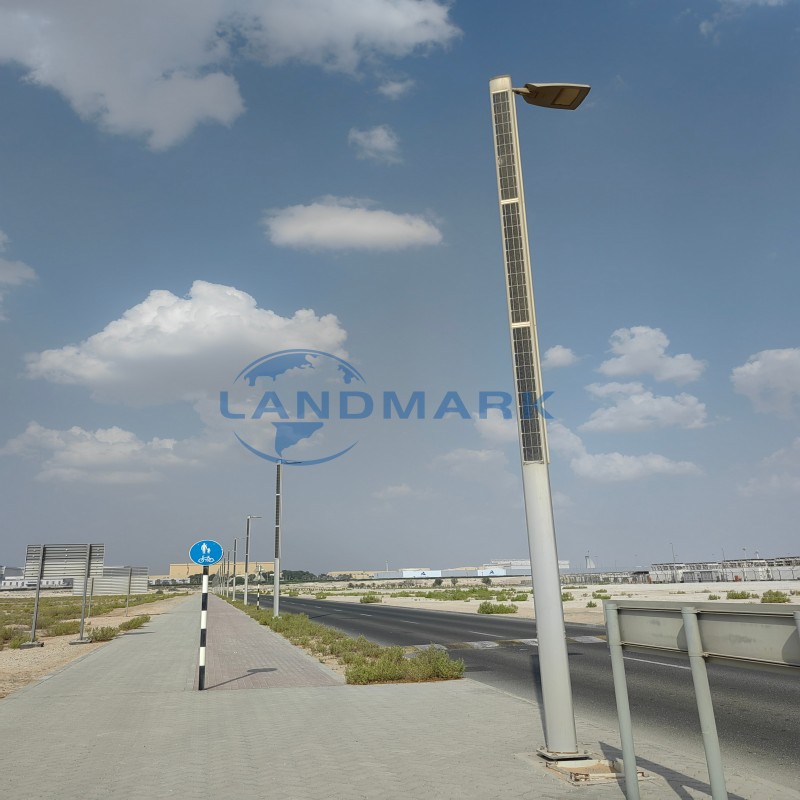
A major city in the Arabian Gulf required a uniform fleet of aluminium light poles for a 15 km coastal boulevard. The environment subjected poles to 85% humidity, salt spray, and occasional Category 2 wind gusts. The buyer’s key demands were:
- Zero corrosion for 20 years without repainting.
- Compliance with EN 40-6 (wind speed 160 km/h).
- Integration of smart sensors (air quality, traffic) within the pole shaft.
LANDMARK delivered a tailor-made solution:
- Material: Marine-grade 6063-T6 aluminum alloy with PTFE-infused anodizing.
- Design: Tapered conical shaft with internal slip-fit base for easy direct burial installation, eliminating costly anchor bolt foundations.
- Certifications: Provided salt spray test report (1000h, no red rust), material composition certificate, and structural calculations stamped by a licensed engineer.
- Smart integration: Pre-drilled cable management channels and a separate compartment for IoT controllers.
The project was completed on schedule, with the client reporting zero maintenance issues after two years. This success led to a repeat order for high mast lighting in the city’s port area.
4. Key Collaboration Points for Buyers
To ensure a successful partnership, procurement professionals should align with suppliers on the following before committing:
- Clearly Define the “Reference Standard”: Specify the governing code (EN 40, AASHTO, AS/NZS 4676) and local municipality requirements. Ask for a checklist of certifications the supplier can provide—e.g., ISO 9001, weld testing reports, coating thickness reports.
- Conduct a Virtual or On-Site Factory Audit: Even remotely, review the supplier’s production line, welding qualfications, testing equipment (e.g., tensile testing machine), and inventory of raw material certificates. LANDMARK regularly hosts virtual tours for international clients.
- Demand Field-Specific Engineering: Provide site-specific wind speed data, corrosion class (C1-C5), and soil conditions (for direct burial poles). A professional supplier will adjust wall thickness, base plate dimensions, and grounding details accordingly.
- Negotiate Emergency Spare Parts & Service: Inquire about lead time for critical components (e.g., articulated arms, base covers) and regional after-sales support. LANDMARK maintains a global logistics network and offers rapid response for urgent replacements.
By applying these criteria, buyers can confidently select a supplier that not only meets current project specs but also ensures long-term performance. Guangdong Landmark Technology Co., Ltd. stands ready to support your next mission-critical infrastructure investment.
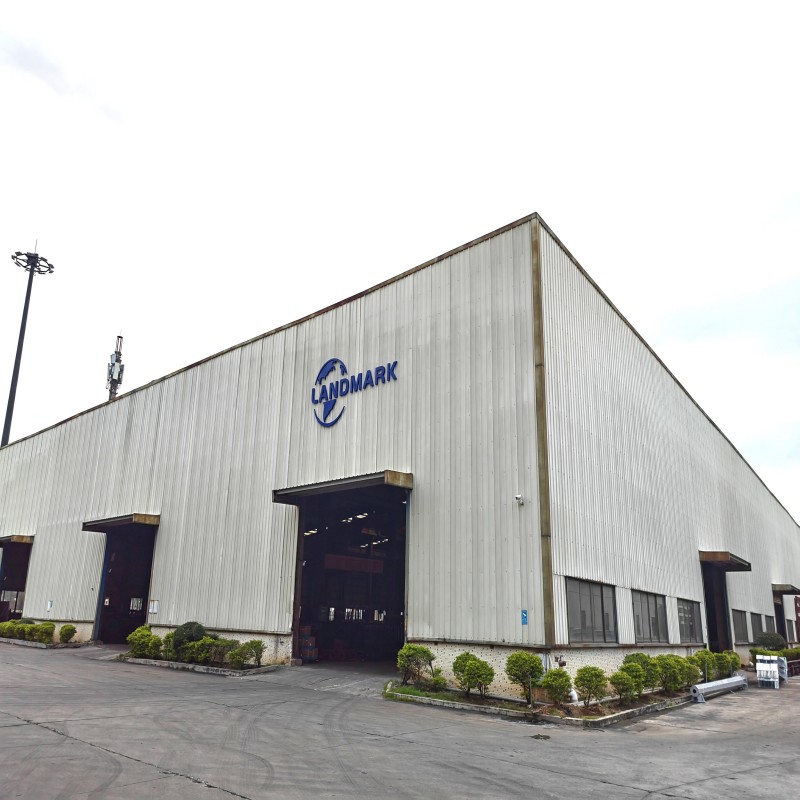
For detailed technical documentation and project references, contact:
Phone: +86 13927796733 | WhatsApp: +86 18318897233
Email: sales02@landmark-innovation.com
Website: www.landmark-innovation.com
Have Questions or Need More Details?
Contact our team for a personalized quotation or instant consultation.
Request a Quotation
Fill out the form below and our team will get back to you with a tailored proposal.
WhatsApp Direct Chat
Prefer to chat in real-time? Message us on WhatsApp for instant assistance & quick answers.
- Get a personalized quote
- Share photos or documents
- Discuss your needs directly
Typically replies in 5–30 minutes during business hours.