Introduction: The Critical Role of Light Pole Specification
Procuring light poles for municipal, commercial, or infrastructure projects involves more than just selecting a product based on price. The choice impacts public safety, long-term maintenance costs, project aesthetics, and structural integrity for decades. With the global push towards smart city infrastructure and sustainable lighting, understanding the key criteria for selecting a manufacturer has never been more important. This guide provides a structured framework for procurement officers, project managers, and contractors to evaluate and source high-quality light poles, including specialized types like aluminium light poles, high mast systems, solar light poles, and smart light poles.
1. Core Technical & Quality Assessment Criteria
Begin your evaluation by scrutinizing the manufacturer's technical capabilities and quality control protocols. This is the foundation of a durable product.
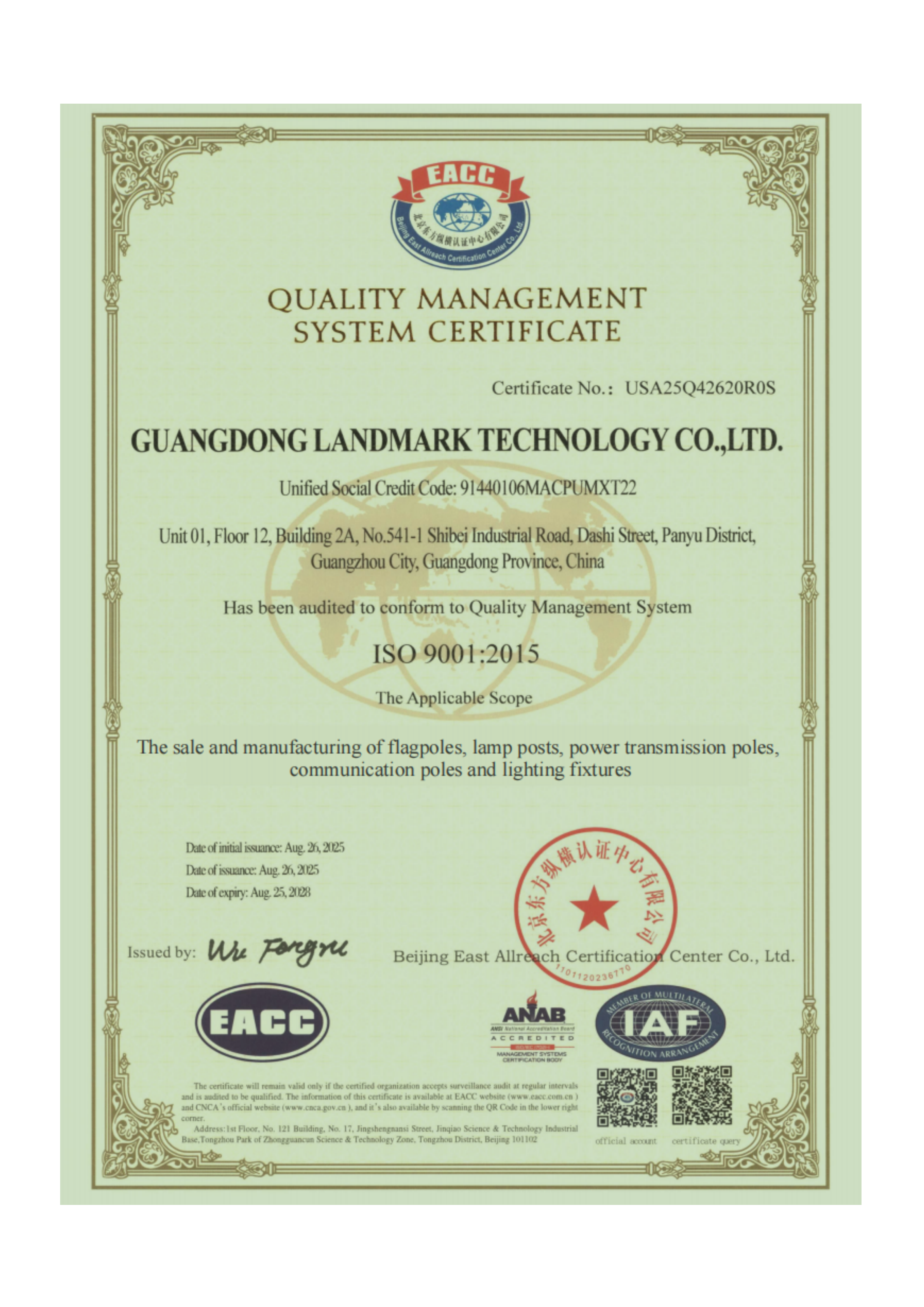
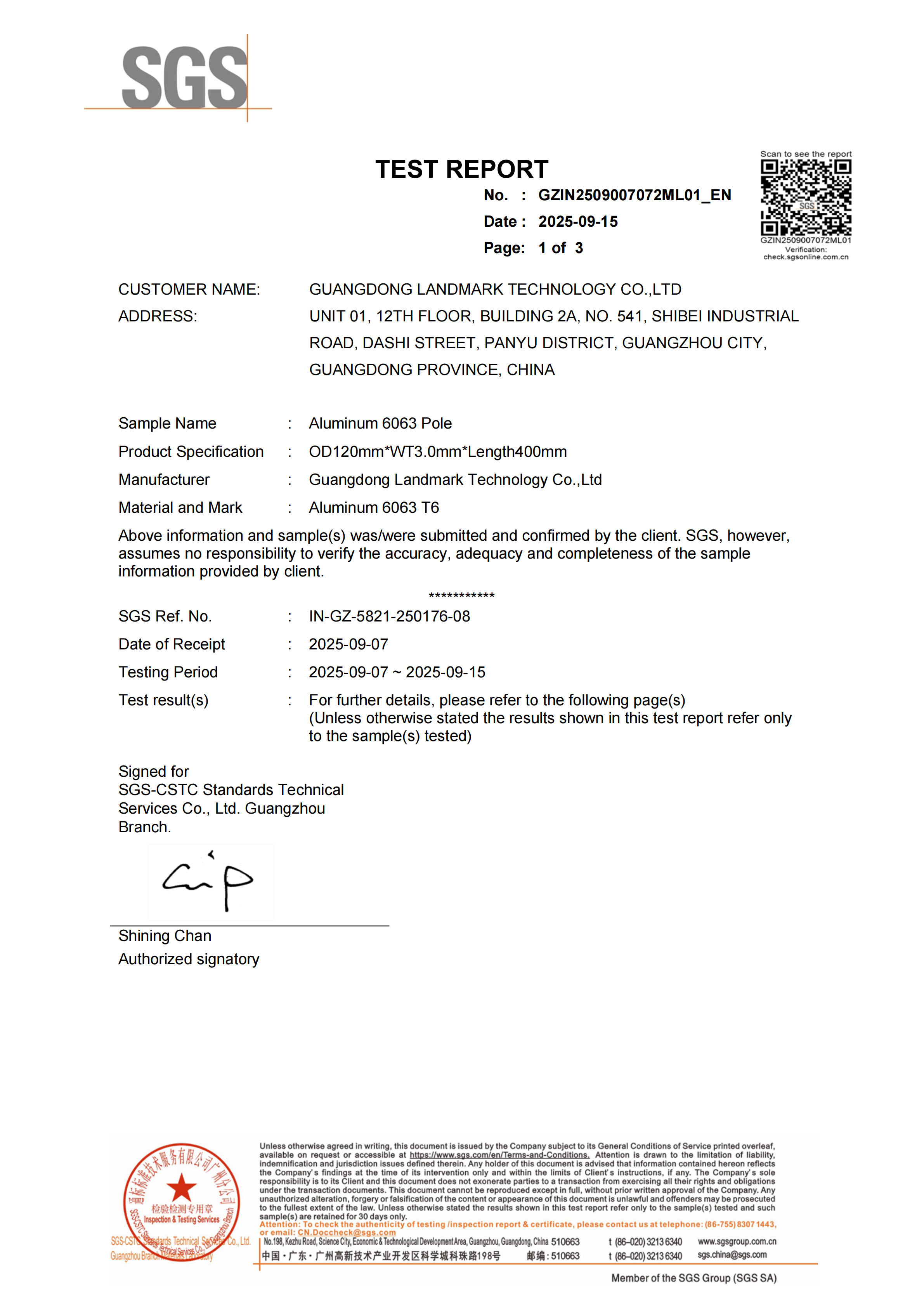
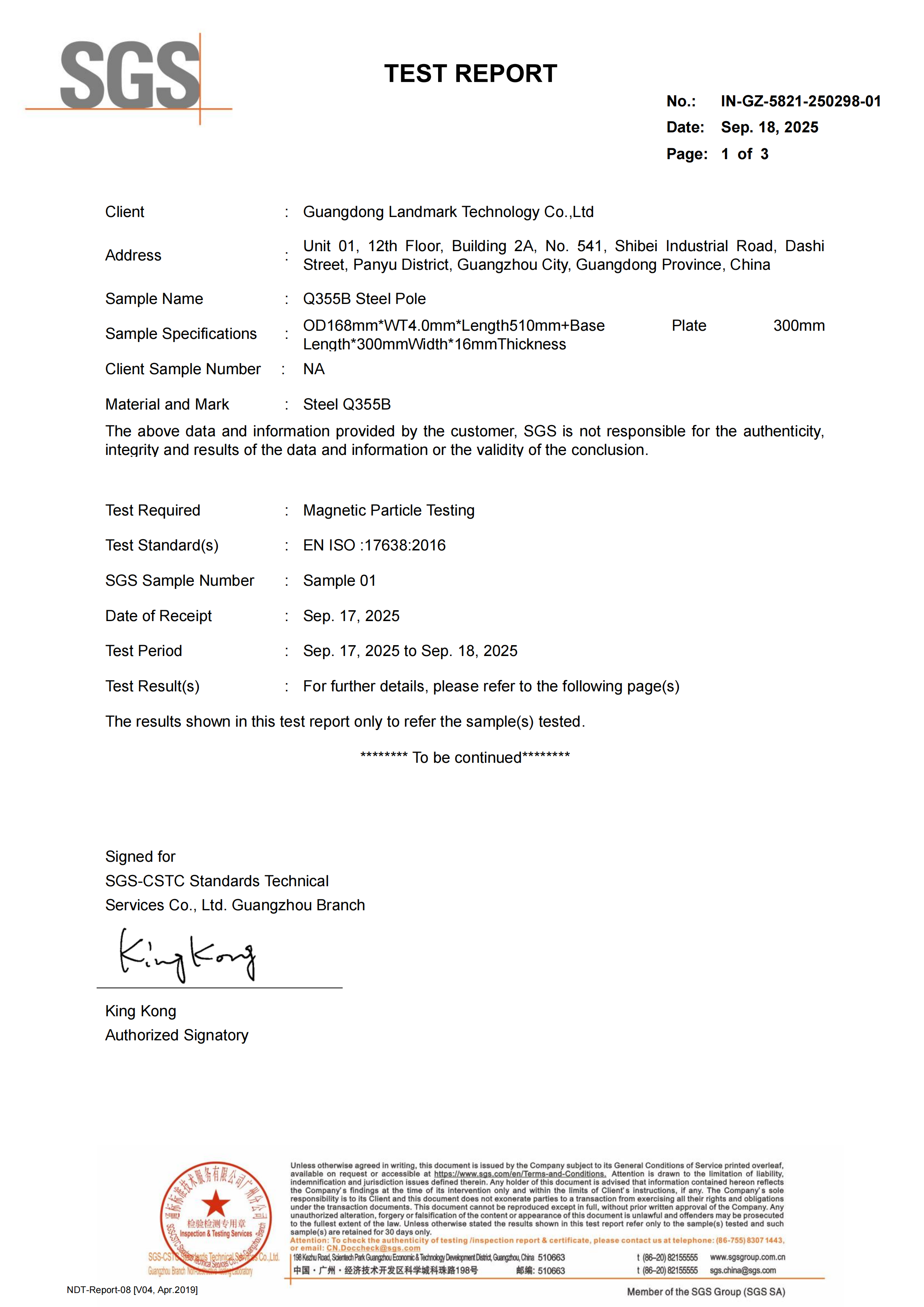
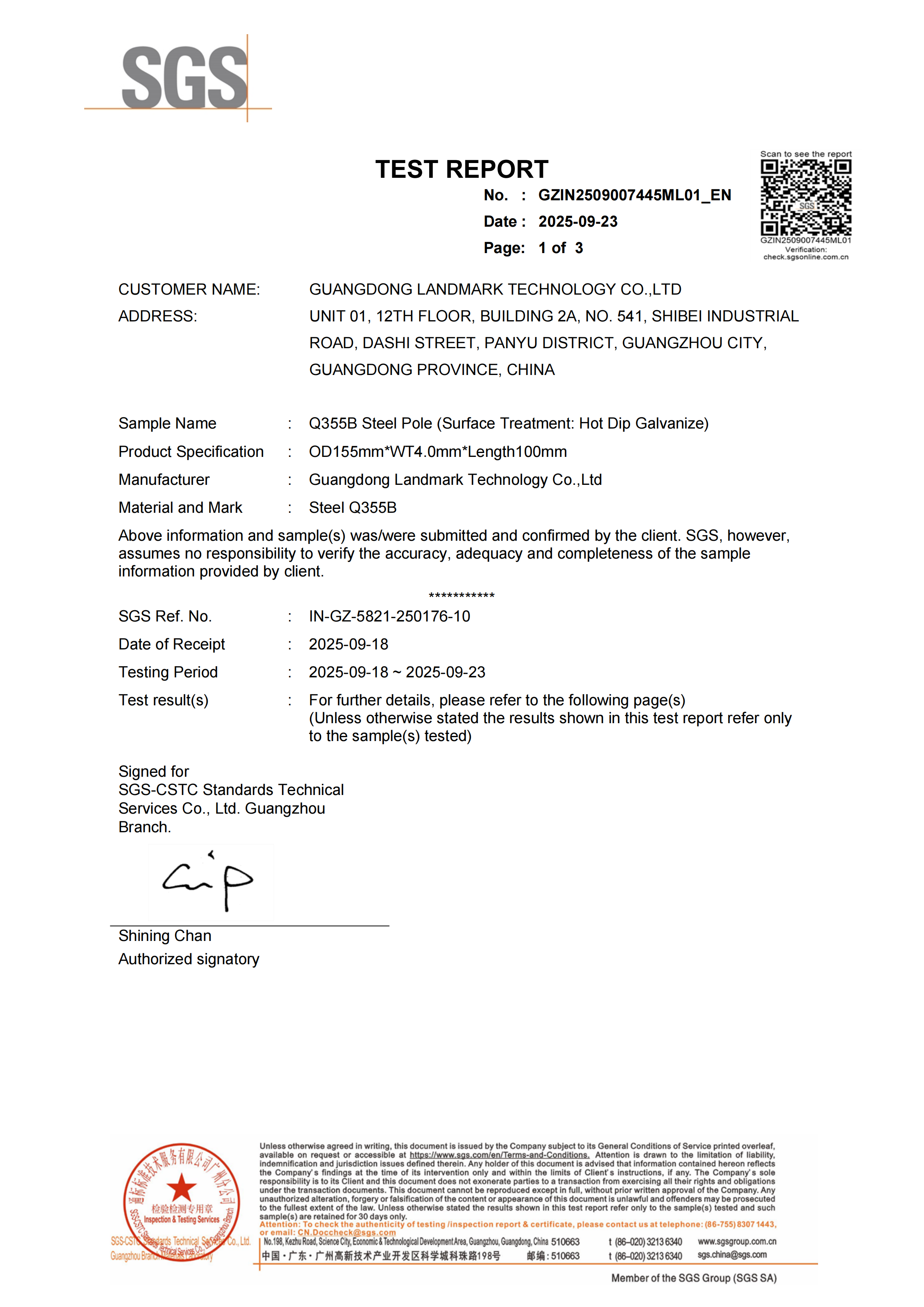
2. Product Range & Customization Capability
A supplier's breadth of offerings reflects their market experience and flexibility to meet diverse project needs.
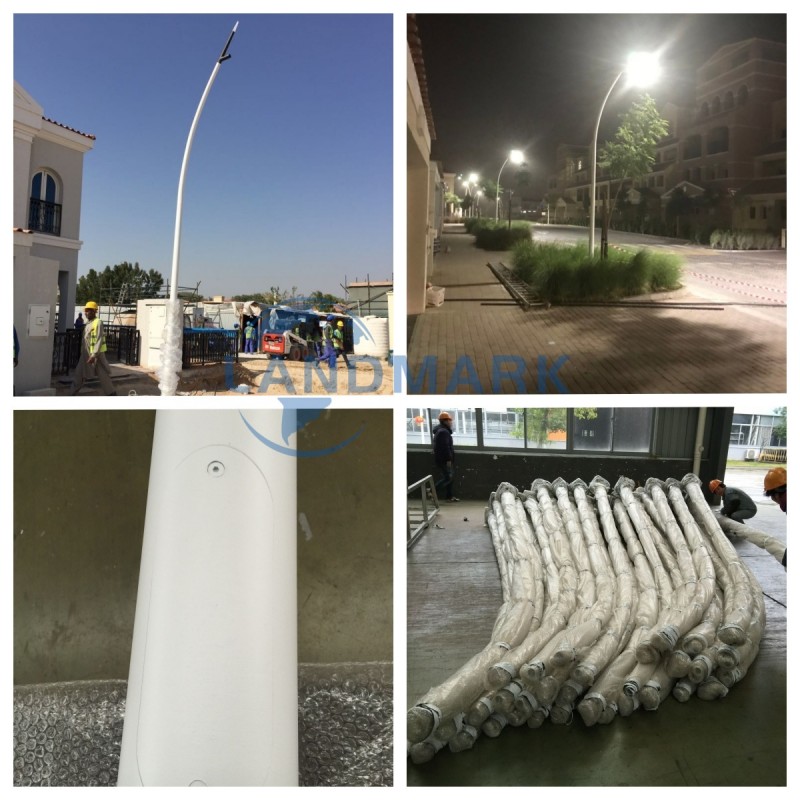
Aluminium Light Poles
Lightweight, corrosion-resistant, ideal for decorative and coastal areas.
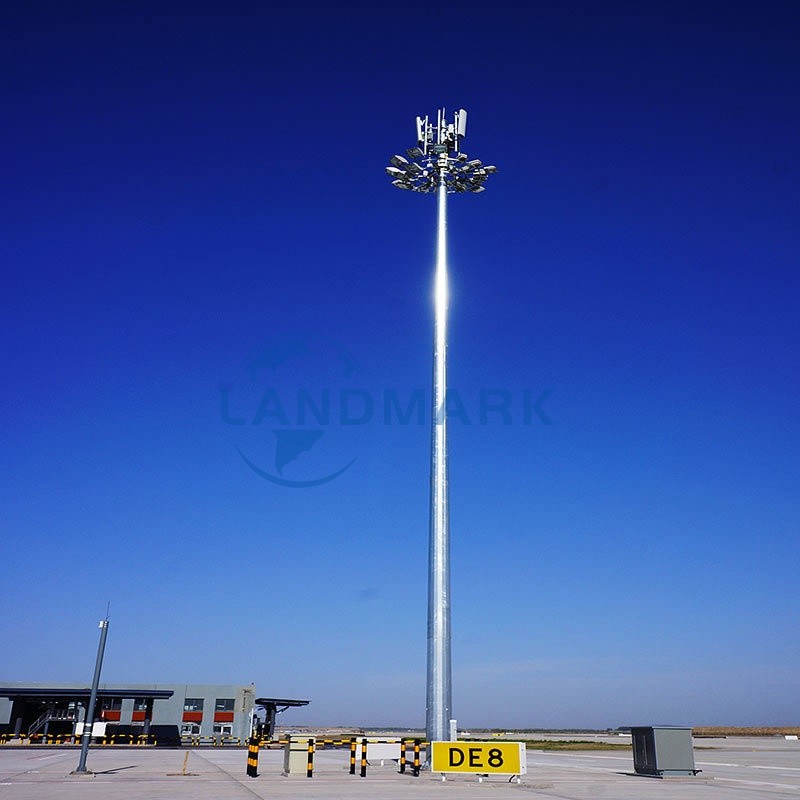
High Mast Poles
For stadiums, ports, and large-area lighting requiring significant height and load capacity.
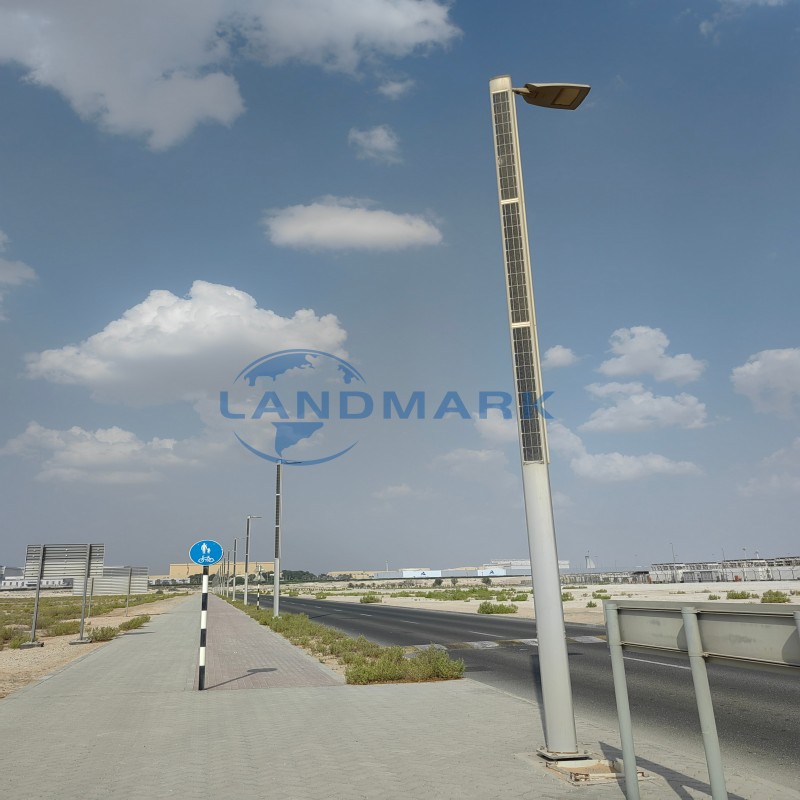
Solar Light Poles
Off-grid, sustainable lighting solutions integrating photovoltaic panels and batteries.
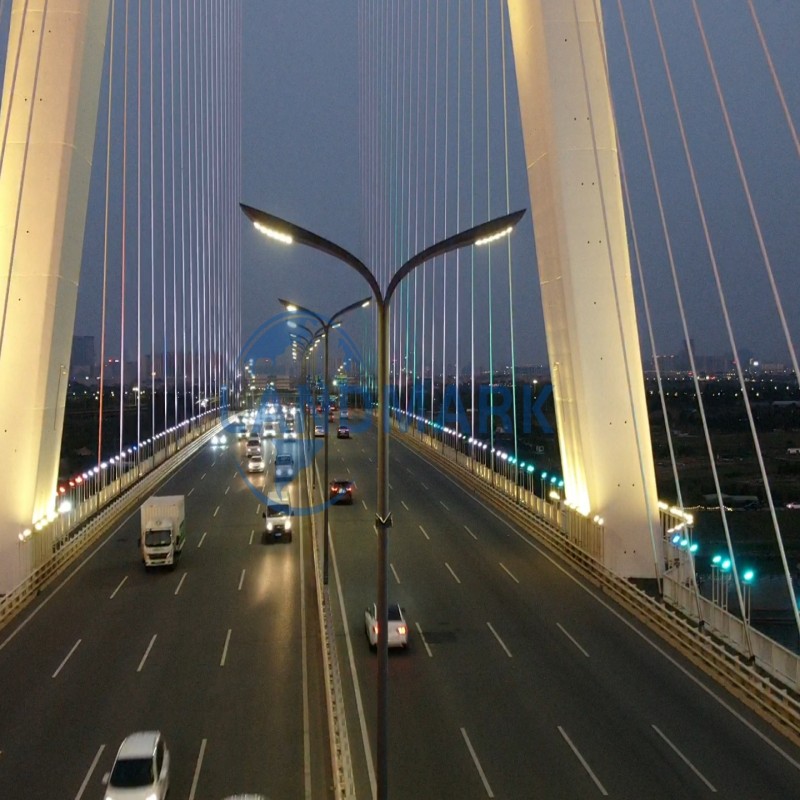
Smart Light Poles
Multi-functional poles equipped for IoT sensors, EV charging, and 5G connectivity.
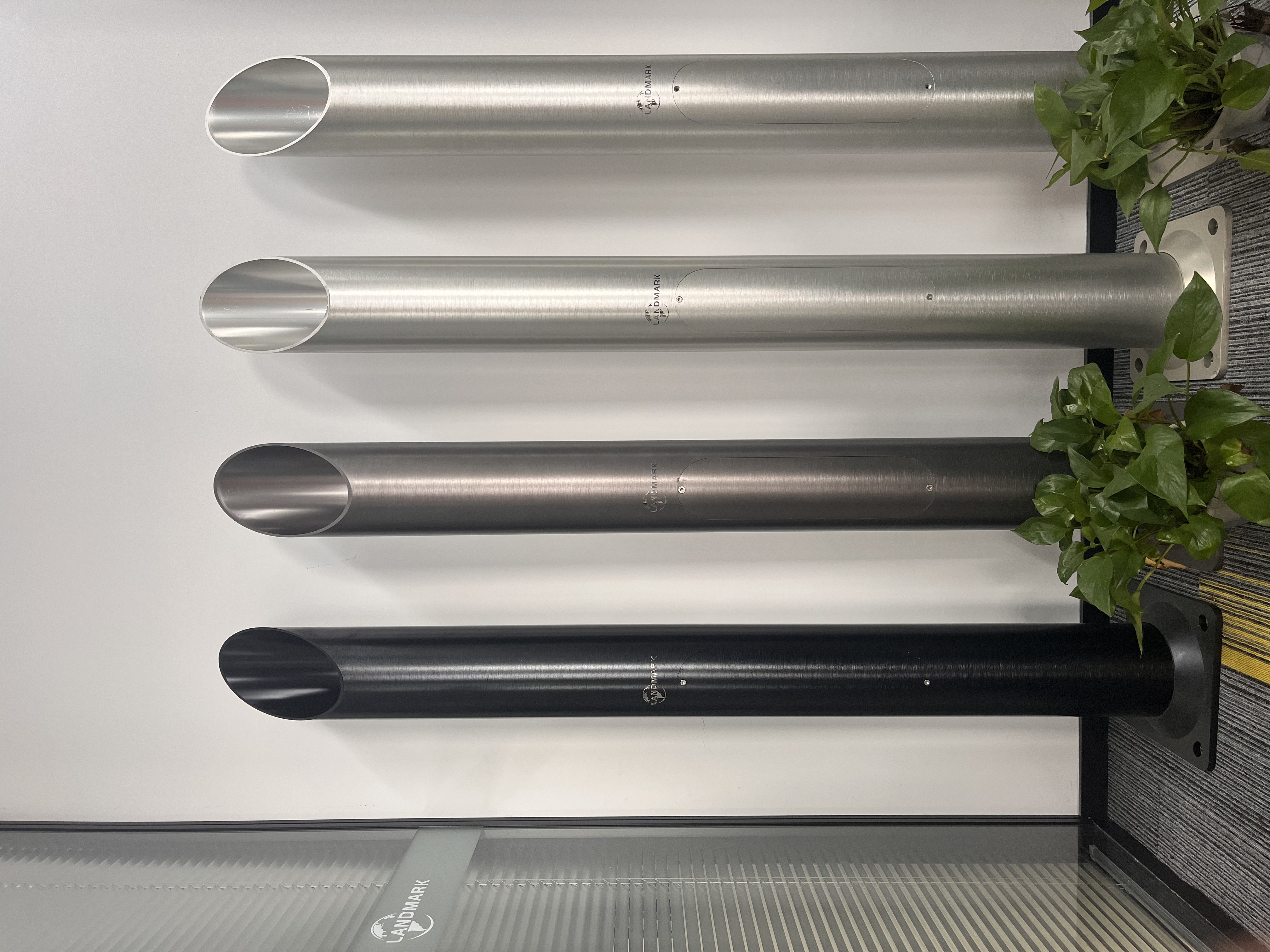
Also assess their capability in direct burial aluminium light poles for easy installation, decorative light poles for urban landscapes, and flagpoles or tall flagpoles for civic buildings. The ability to offer custom exterior design, especially for cultural tourism or landmark projects, is a significant value-add from manufacturers like LANDMARK.
3. Service Scope & Project Experience
Evaluate the supplier as a potential partner, not just a vendor. A full-service provider manages complexity and reduces project risk.
4. Market Compliance & Sustainability Alignment
Ensure the products and the manufacturer align with regulatory and environmental goals.
Check for relevant product certifications (SGS, etc.) and specific government approvals for your target region. With a global emphasis on green infrastructure, partnering with a manufacturer focused on low-carbon infrastructure and innovation in lightweight, high-strength materials (like aluminium and stainless steel) future-proofs your procurement. Inquire about their R&D focus on energy-efficient solutions like integrated solar lighting systems.
Next Steps for Procurement Teams
When shortlisting manufacturers, prepare a detailed Request for Quotation (RFQ) that includes technical specifications, applicable standards (AASHTO, EN40, etc.), corrosion protection requirements, certification needs, and project timelines. Engage in technical discussions early to assess their engineering support capability.
For a deeper evaluation of a manufacturer that exemplifies many of these criteria, you may review the integrated services and certifications of Guangdong Landmark Technology Co., Ltd (LANDMARK). They can be contacted for technical consultation at Phone: +86 13927796733, WhatsApp: +86 18318897233, or Email: sales02@landmark-innovation.com. More information on their aluminium light poles, street light poles, and other solutions is available on their website: www.landmark-innovation.com.
By systematically applying this framework, procurement professionals can significantly mitigate risk, ensure value for money, and secure lighting infrastructure that delivers safety, durability, and aesthetic appeal for the long term.